NovaVet Diagnostics

Veterinary Pathology Laboratory promotes the health and welfare of animals and aids the research community.

Veterinary medicine is all about science. Science is the most integral part of discovery, observation, problem solving, knowledge, research, evaluation, and progression. NovaVet Diagnostics has an array of diagnostic services and additional support services for the veterinary, Para veterinary, and research communities. Our non-corporatized boutique-style laboratory aims at individualized treatment plans which imparts a very personal touch along with professional zeal. Pay a visit to our veterinary diagnostic laboratory and witness the collegiate ambiance. Our staffs are extremely caring and sympathetic towards the clients and are ready to cater to every need of their clientele.

NovaVet is an independent veterinary diagnostic pathology laboratory centrally located in the Perth metro region. NovaVet is entirely veterinary owned and the directors are adept at veterinary diagnostic pathology and laboratory procedures. They are proficient in clinical practice as they have experience of more than three decades and the driving force has always been the love and dedication to restoring the health of animals. Our goal is to constantly yield pertinent information and resolve queries in a very hassle-free manner lest the veterinarians and clinical staff get distracted as their foremost duty is to take care of the ailing. Our understanding has a specific aspiration which is providing pathological services in a distinct way. We offer various provisions which include ordering a courier, tracking the progress of samples at our genetics laboratory, allowing clinics to select the way they desire when it comes to ordering pathology services, and most importantly additional tests are also conducted.

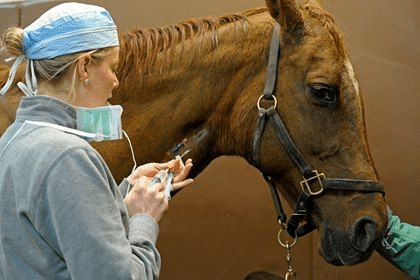
The test directory leads to the filter options where we display the options to choose from the following species – Canines (dogs), Feline (cats), Equine (horses), and Exotic (cows). The branch of medicine (classes) has segregations as well and to name some are cytology, biochemistry, endocrinology, gastrointestinal, hematology, microbiology, serology, and so on.

We are here to assure our clients of relatability and reliability so that they find relevance in our work and help us strive better with their essential feedback.
Hell

Can you be hale in hell????       

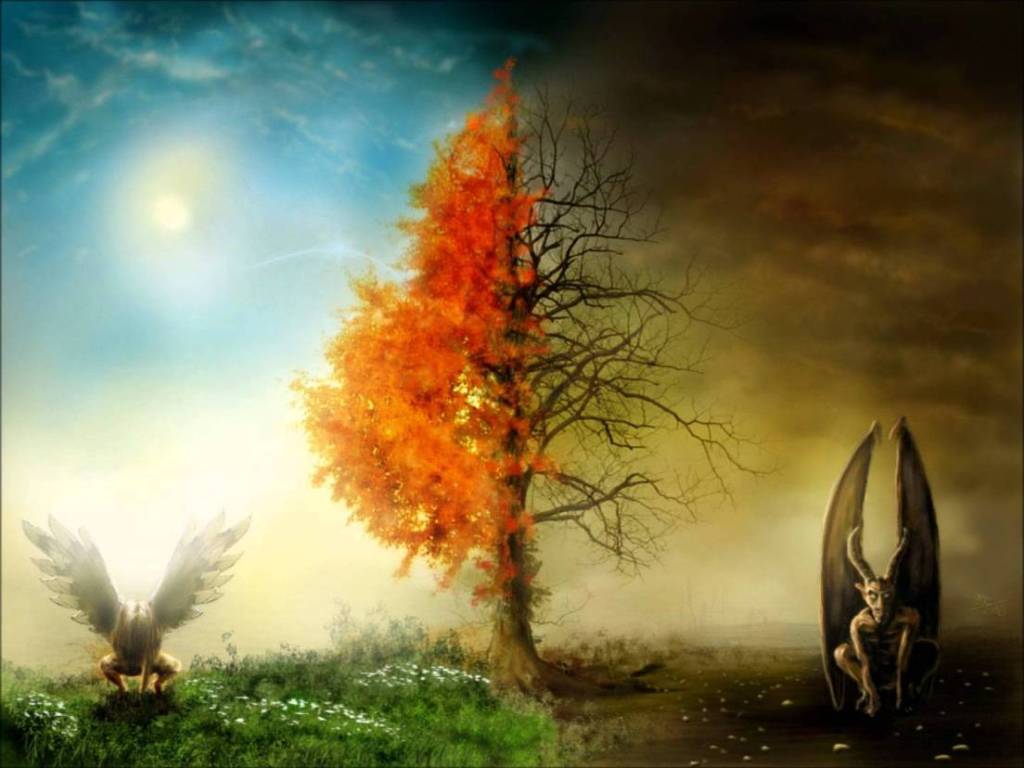
Heaven and hell has been pictured in various myths and folklores in all its myriad forms. Heaven abounds with bliss, fresh fragrances, delectable desserts and fineries whereas the delineation of hell casts a chill. Tathagata Buddha once described two such instances of hell to one of the righteous men named Debraj. The vices of men luring them to their own downfall are explained in detail.

The first tale introduces us to king Narriki of Dantapur near Kalinga. He was entirely impious. During his reign, a hermit from the Himalayas arrived at his royal garden with three hundred disciples and began preaching the word of God. On hearing this piece of news from his ministers, Narriki decided to make his acquaintance with the hermit as a gesture of courtesy because the sage and his disciples were dwelling in his garden and everyone was singing the praises of the sermons he delivered. Narriki came to his garden to pay a visit to the sage and hailed them. They returned his salutations by honouring the king. After the initial greetings, Narriki took a seat when the sage started shooting questions at him which angered the king but he managed to conceal his emotion. The questions were about the king’s administrative strategies and whether his subjects were oppressed. The sage wanted to know if Narriki paid heed to the problems of ordinary men. All these questions made Narriki feel that the sage was trying to insinuate that the king was a misfit. Narriki was of the belief that the sage was a humbug and he must have conspired to incite anarchy in his kingdom. He became determined on teaching the sage a lesson because he understood that the sage might be an obstacle to his profane and sinful deeds.

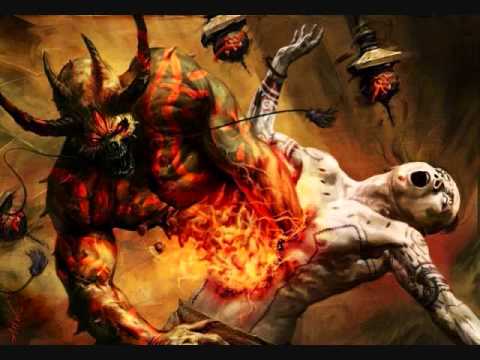
Narriki invited the sage along with his disciples to a sumptuous meal at his palace. Then he filled the platters and bowls with faeces and served them the inedible items. To add to his sins, Narriki also instructed his guards to whack all of them on their heads. It has been rightly said that man is the maker of his own destiny. Narriki faced the consequence of his heinous crime in a fraction of second. He had to set foot in a kind of hell called ‘Sunokh’. The moment he entered this hell, his body expanded to the lofty heights of three mountains and his eyes fell on an elephantine cur who would tirelessly attack him and keep on tearing his flesh into pieces. This was a horrific account of blood and gore associated with the concept of hell and its suffering.

The protagonist of the second story was King Arjuna who ruled a town named Kek in the established kingdom of Mohingsok. As we all know, hunting has always been associated with kingship as it was a symbol of regal insignia for kings and emperors and King Arjuna was no exception. He used to go on royal hunts and killed deer which became his staple food. He liked his deer meat burnt to a cinder.

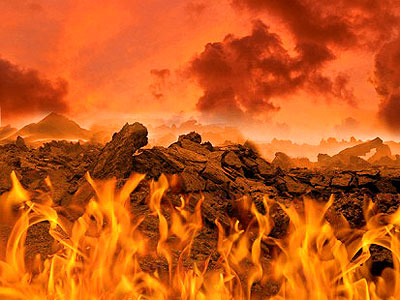
One fine day he built a cottage beside the path where the herds were always on the move for succulent plant growth. Just then his eyes fell on a hermit perched on an almond tree nearby. The hermit was busy eating and deshelling the kernels. He was not only scattering the shells under the tree and all around but also breaking the silence of the tranquil place. The mild quiver on the tree and the sound of the shells falling on the ground was disrupting the calm ambiance of the place alerting the herds to the lurking danger ahead. The herds of deer could easily sense the presence of men due to the innocent activities of the hermit. The king felt annoyed as all his efforts of cottage construction and enduring adversities in the jungle were only for beholding the carcasses of deer. At that moment he allowed his greed to overtake his principles and ethics. He shot the hermit with a poisoned arrow which was a fatal blow and he died immediately. Since it was a sudden blow, it startled the hermit and he fell in such a manner that a projected snag from the branch of the tree punctured his skull. In a flash Arjuna was dragged into the bottom of the earth and again in a very similar manner his body towered over the magnitude of three mountains. This bottomless pit was a blazing inferno which scalded his colossal body heightening his pain manifold. The walls of the hell threw back the echoes of his piercing cry. This nightmarish vision of hell remained etched in human minds for a long time and helped humans abstain from committing sins. The fear of hellish agony was bestowed on the race of men preventing them from greater woes.

Types of Naraka

Clash of Clans

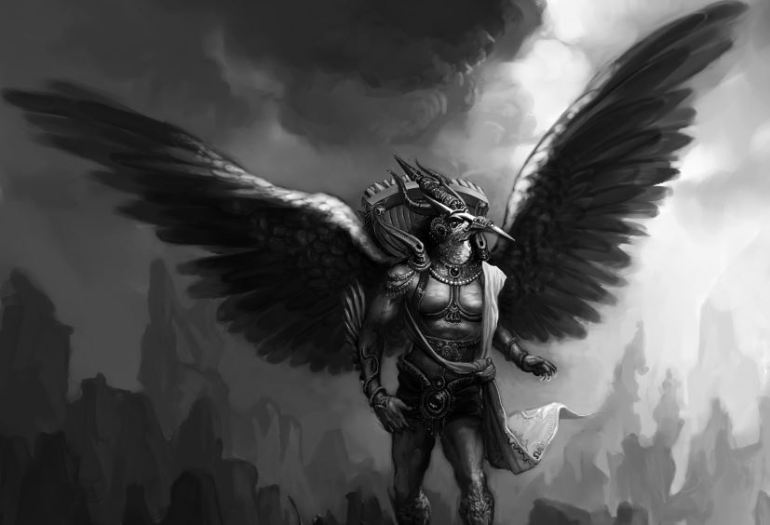
The bygone age of Nagraj Brahmadutta witnessed an unfortunate shipwreck on the seventh day of a commercial voyage embarking 500 tradesmen. Tragedy befell and all the men lost their lives apart from one tradesman named Korombik and he took refuge in an island. The skerry dwellers venerated him as a saint and for Korombik, this newfound sainthood was a great means of livelihood and he clutched at straws for his daily bread. Korombik was proffered garments by the natives but he turned down their gesture of good will and this sacrificial act astonished the populace. Nagraj Pandu and Suparnoraj Garurr were often spotted paying homage to Korombik. Nagraj Pandu was the king of serpents and Suparnaraj Garurr was the king of eagles.

On the other hand Pandu and Garurr were sworn enemies. One fine day Garurr went to Korombik and having prostrated on the bare floor made an impassioned plea to the charlatan saying that all his subjects were Korombik’s devotees and the concern of losing much of his kinsmen in the attempt of hunting the serpents (the Nagas of Nagraj) is driving him mad. The serpents possessed some kind of bulwark against the eagles shielding themselves from the fierce clench of the birds of prey. Garurr wished to know this life threatening secret from Korombik which meant resorting to trickery. Korombik was content with all the words of adulation and flattery and agreed to address Garuur’s cause.

Korombik inquired Pandu about the safeguard that the serpents had which made the king fall in utter dilemma because the serpent clan was not supposed to reveal any kind of secret regarding their safety measures. Pandu expressed that he was in a quandary to which the crafty crook exhibited feigned anger and ridiculed him for disbelieving him and having no faith in him. Korombik went on saying that he only had the desire of gratifying his curiosity and no intention of fooling or tricking anyone.

Pandu was very embarrassed on listening to the claims of Korombik. Pandu was innocent as a lamb and neither he had any clue about Korombik’s spurious claims nor he could fathom the impending doom of their clan. Korombik was just like the snake beneath the flower and assured Pandu that he would never tell anyone about the classified information. At last Pandu shed his inhibitions and revealed to Korombik how the serpents gulped heavy stones in order to become hefty. The hulking bodies of the serpents became enervating for the eagles and they gradually collapsed from exhaustion.The foolish eagle clan was unaware of the fact that they could have tasted victory only if they altered their strategy of attacking the serpents from the hindmost part (tail) instead of the head as that would have made the ophidians less heavier because the stones would immediately fall off their mouths. Lifting the heads of the serpents became a herculean task and only a few triumphant eagles emerged victorious in the effort of lugging the bulky serpents.

Look like the innocent flower, but be the serpent under't" This quote is  said by Lady Macbeth to Macbeth. | Macbeth symbols, Lady macbeth, Macbeth  quotes

This was how Pandu made the terrible blunder of disclosing the secret and the quack saint divulged the lifesaving trick of the serpents to Garurr and broke Pandu’s trust. Garurr pondered this unwise move of Pandu and he realized that this entire episode reflected Pandu’s lack of good judgement which would be a catastrophe for the serpentine clan. Moreover, unveiling a secret of this stature was no less a crime. Garuur made up his mind to attack Pandu first and executed the new tactics of pouncing from the rear. Garuur rose high up in the sky carrying Pandu with ease and the harsh reality dawned on Pandu. Pandu was filled with remorse and shame for having disclosed an immemorial secret and for having trusted the impostor.

Lord Shiva | My Lord Shiva ॐ नमः शिवाय

Garurr imparted the advice of never revealing confidential information to anyone, not even to the apple of one’s eye. Pandu’s biggest mistake was not his inability to foresee the sham but the act of revealing the well preserved secret which could be detrimental to his clan. Pandu was the king and he should have been more judicious. Garurr had attained the highest form of wisdom and was therefore called a Prajna. He enlightened Pandu regarding his fallacies and let him go without harming him. Pandu cursed Korombik for the breach of his faith and the fraudster had to depart from earth for the atonement of his sins.

Prajna or Panna is Wisdom in Buddhism
Threefold training in Buddhism

Grave repercussions are inevitable when clash of clans betide because enmity has no room for pity. Pandu had a close shave which is a rare sight. And most importantly, none can escape the outcome of evil motives and treachery.

Design a site like this with WordPress.com
Get started