
Can you be hale in hell????
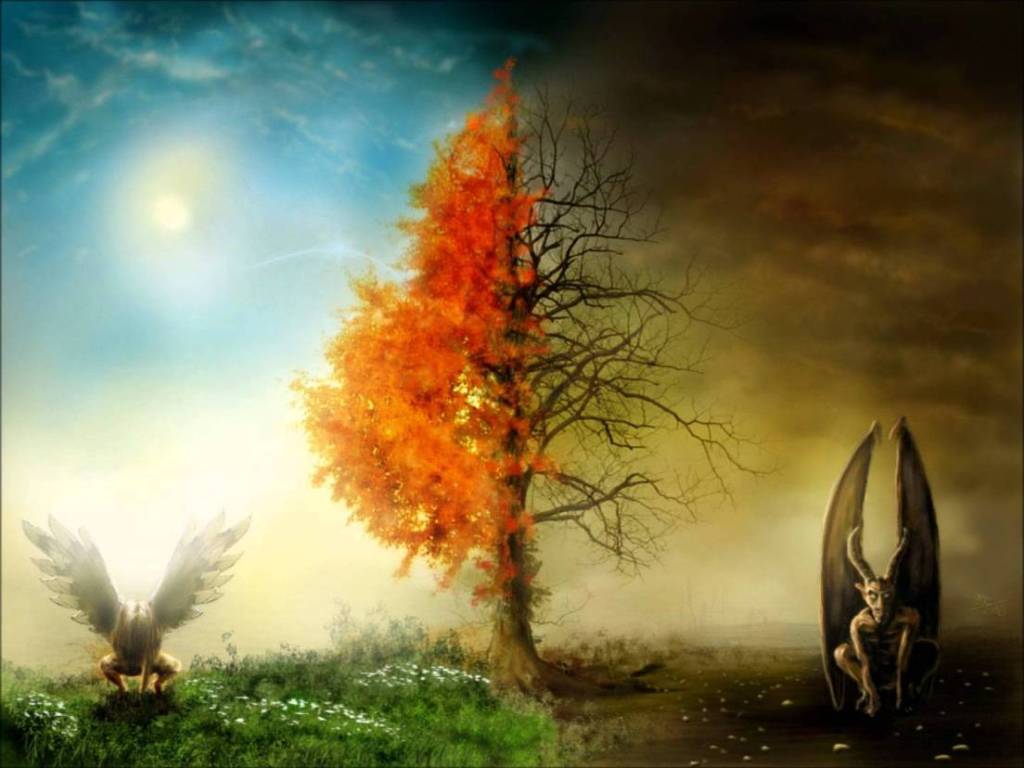
Heaven and hell has been pictured in various myths and folklores in all its myriad forms. Heaven abounds with bliss, fresh fragrances, delectable desserts and fineries whereas the delineation of hell casts a chill. Tathagata Buddha once described two such instances of hell to one of the righteous men named Debraj. The vices of men luring them to their own downfall are explained in detail.
The first tale introduces us to king Narriki of Dantapur near Kalinga. He was entirely impious. During his reign, a hermit from the Himalayas arrived at his royal garden with three hundred disciples and began preaching the word of God. On hearing this piece of news from his ministers, Narriki decided to make his acquaintance with the hermit as a gesture of courtesy because the sage and his disciples were dwelling in his garden and everyone was singing the praises of the sermons he delivered. Narriki came to his garden to pay a visit to the sage and hailed them. They returned his salutations by honouring the king. After the initial greetings, Narriki took a seat when the sage started shooting questions at him which angered the king but he managed to conceal his emotion. The questions were about the king’s administrative strategies and whether his subjects were oppressed. The sage wanted to know if Narriki paid heed to the problems of ordinary men. All these questions made Narriki feel that the sage was trying to insinuate that the king was a misfit. Narriki was of the belief that the sage was a humbug and he must have conspired to incite anarchy in his kingdom. He became determined on teaching the sage a lesson because he understood that the sage might be an obstacle to his profane and sinful deeds.

Narriki invited the sage along with his disciples to a sumptuous meal at his palace. Then he filled the platters and bowls with faeces and served them the inedible items. To add to his sins, Narriki also instructed his guards to whack all of them on their heads. It has been rightly said that man is the maker of his own destiny. Narriki faced the consequence of his heinous crime in a fraction of second. He had to set foot in a kind of hell called ‘Sunokh’. The moment he entered this hell, his body expanded to the lofty heights of three mountains and his eyes fell on an elephantine cur who would tirelessly attack him and keep on tearing his flesh into pieces. This was a horrific account of blood and gore associated with the concept of hell and its suffering.

The protagonist of the second story was King Arjuna who ruled a town named Kek in the established kingdom of Mohingsok. As we all know, hunting has always been associated with kingship as it was a symbol of regal insignia for kings and emperors and King Arjuna was no exception. He used to go on royal hunts and killed deer which became his staple food. He liked his deer meat burnt to a cinder.

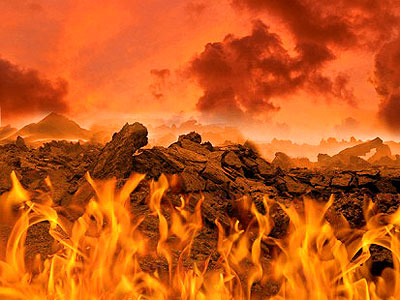
One fine day he built a cottage beside the path where the herds were always on the move for succulent plant growth. Just then his eyes fell on a hermit perched on an almond tree nearby. The hermit was busy eating and deshelling the kernels. He was not only scattering the shells under the tree and all around but also breaking the silence of the tranquil place. The mild quiver on the tree and the sound of the shells falling on the ground was disrupting the calm ambiance of the place alerting the herds to the lurking danger ahead. The herds of deer could easily sense the presence of men due to the innocent activities of the hermit. The king felt annoyed as all his efforts of cottage construction and enduring adversities in the jungle were only for beholding the carcasses of deer. At that moment he allowed his greed to overtake his principles and ethics. He shot the hermit with a poisoned arrow which was a fatal blow and he died immediately. Since it was a sudden blow, it startled the hermit and he fell in such a manner that a projected snag from the branch of the tree punctured his skull. In a flash Arjuna was dragged into the bottom of the earth and again in a very similar manner his body towered over the magnitude of three mountains. This bottomless pit was a blazing inferno which scalded his colossal body heightening his pain manifold. The walls of the hell threw back the echoes of his piercing cry. This nightmarish vision of hell remained etched in human minds for a long time and helped humans abstain from committing sins. The fear of hellish agony was bestowed on the race of men preventing them from greater woes.
 titliuri
Excellent
LikeLiked by 1 person